
From Isolation to Connection: Building Mental Health Peer Support Networks with AI
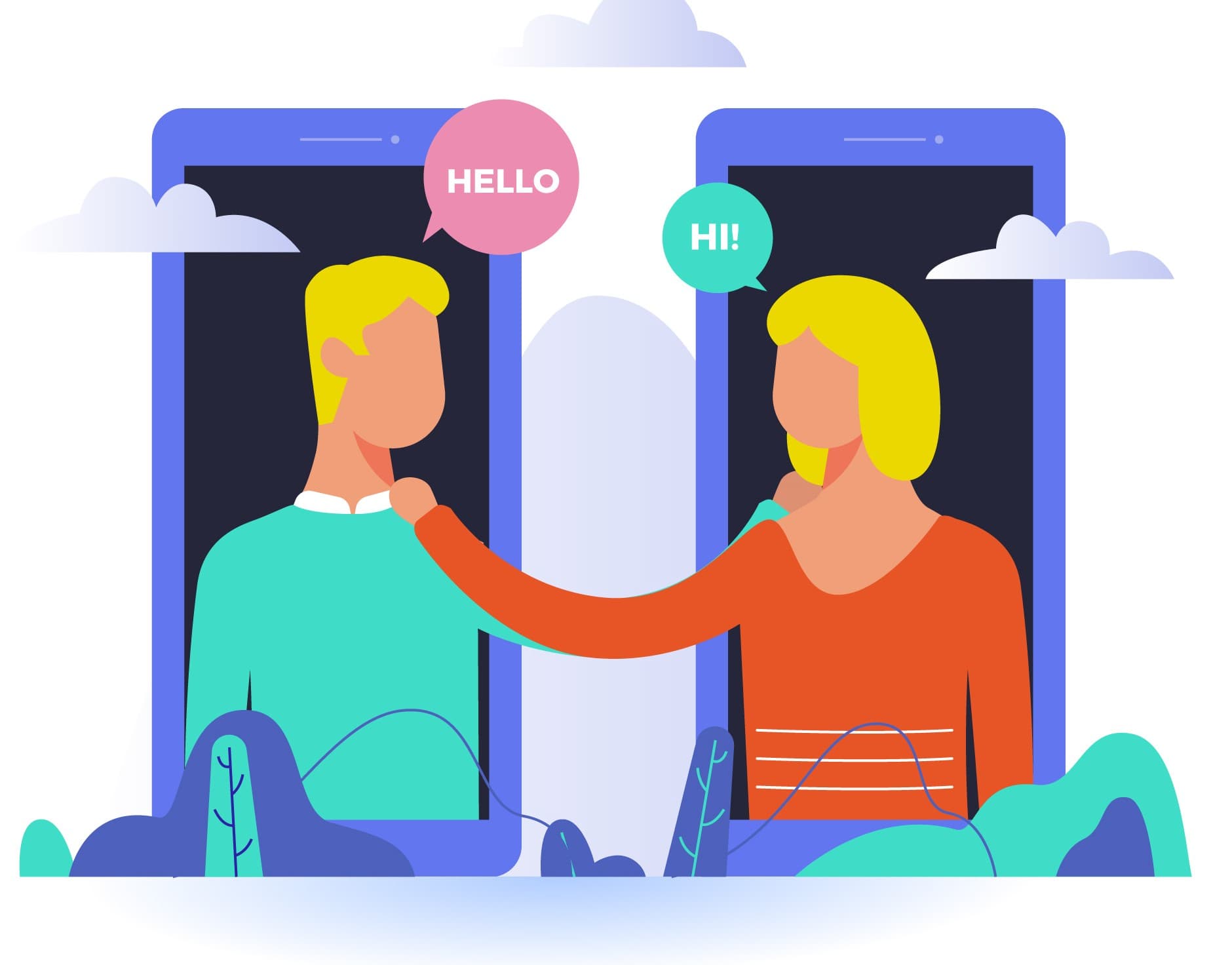
Loneliness is one of the most pervasive challenges of our time. From university students struggling to adapt, to remote workers feeling detached from colleagues, isolation quietly impacts mental well-being and productivity. Yet, one of the most effective remedies for loneliness is human connection and that’s exactly where technology like Easy Pairing steps in.
Rather than relying on traditional group sign-ups or general interest surveys, Easy Pairing uses AI-driven compatibility matching to form meaningful peer support networks. It connects individuals based on emotional needs, communication styles, and shared experiences, helping communities shift from isolation to authentic, sustained connection.
The Power of Peer Support
Research consistently shows that peer support plays a crucial role in improving mental health outcomes. When individuals share experiences with others who truly understand, it reduces stigma, boosts confidence, and fosters belonging.
However, building these networks effectively isn’t simple. Without thoughtful pairing, people may feel misunderstood or unsupported which can make disconnection even worse. Randomly assigned support groups often fail because they overlook an essential factor: compatibility.
That’s where Easy Pairing changes the game. By analyzing participant inputs such as emotional openness, preferred communication methods, and shared challenges, the system creates matches that feel natural, safe, and empowering.
How AI Strengthens Support Networks
Easy Pairing’s AI model doesn’t just group people; it understands connection. Using data points from mood check-ins, engagement behavior, and conversational tone, it can:
- Identify empathy-driven matches that encourage mutual understanding.
- Balance personality dynamics (e.g., pairing expressive individuals with active listeners).
- Adapt matches over time as emotional needs evolve.
- Support diverse formats — from 1:1 peer mentoring to small, theme-based circles.
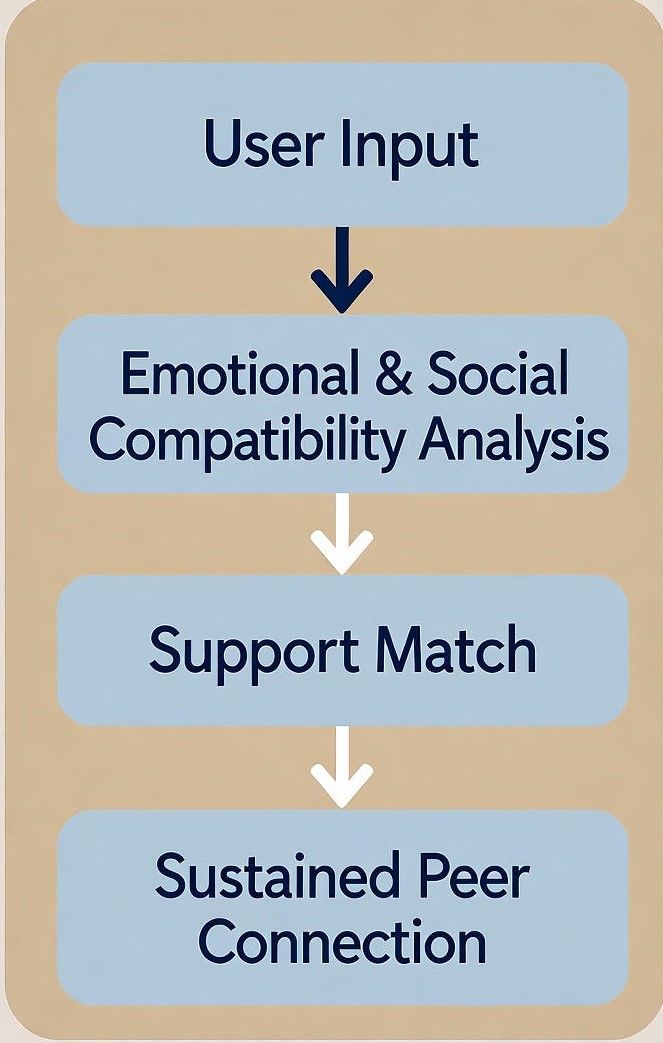
This approach makes mental health programs more personal and sustainable. Instead of temporary fixes, participants gain long-term relationships built on trust and emotional resonance.
Real-World Applications
AI-enabled pairing can transform various support ecosystems:
- Universities: Pair students struggling with academic or social adjustment.
- Workplaces: Connect remote employees for mental wellness check-ins.
- Community groups: Match individuals coping with shared challenges such as caregiving, anxiety, or grief.
By reducing the trial-and-error of finding compatible peers, Easy Pairing makes emotional support more accessible and more impactful.
Ethical and Emotional Intelligence in AI
Mental health technology must be handled with care. Easy Pairing’s algorithms are built with ethical sensitivity ensuring privacy, transparency, and user consent at every stage. Rather than replacing human empathy, AI acts as a facilitator, helping people find others who truly understand them.
In this way, technology becomes an ally in emotional connection, not a barrier to it.
The Bigger Picture: Connection as Care
As mental health awareness grows, the next challenge is accessibility. With AI-powered matching, communities can scale peer support safely, inclusively, and effectively. The more accurately people are matched, the more resilient these networks become; promoting healing through shared understanding.
Conclusion
Easy Pairing bridges the gap between technology and emotional well-being. By intelligently connecting people who can genuinely relate to one another, it transforms mental health support from isolated moments into lasting relationships. In a world craving empathy and understanding, AI is not replacing human care; it’s helping us find it.