
Scaling Hybrid Success: Using Smart Pairing to Unite Onsite and Remote Teams

Kimora Lee
Technical Writer

Hybrid work is here to stay, but unity isn’t guaranteed. Many organizations are still grappling with one big question: how do you make employees who work from different places feel like they’re part of the same team?
The answer lies in connection not just through video calls, but through intentional pairing that bridges the human gap technology alone can’t solve.
That’s where Easy Pairing comes in. With its AI-driven matching system, it helps hybrid organizations form connections that drive engagement, productivity, and inclusion no matter where people log in from.
The Hybrid Divide: Why Connection Fails Without Strategy
The hybrid model promises flexibility and balance, but it often creates hidden barriers:
- Unequal visibility: Remote employees can feel overlooked in decision-making.
- Cultural drift: Office-based teams bond faster, leaving remote workers feeling isolated.
- Collaboration friction: Time zones, communication styles, and workflow expectations often clash.
These issues don’t stem from bad management; they stem from mismatched dynamics. Hybrid success depends on compatibility: who works best with whom, how they communicate, and what motivates them to contribute.
Enter Smart Pairing: The AI Bridge for Hybrid Teams
Easy Pairing uses compatibility data to bring structure to hybrid collaboration. It analyzes profiles, preferences, and performance data to create balanced partnerships and teams that work well across distances.
The system considers key parameters such as:
- Work styles: Synchronous vs. asynchronous collaboration preferences
- Communication tone: Direct, supportive, or analytical approaches
- Motivational drivers: Achievement, teamwork, or innovation
- Skill synergy: Matching technical experts with strong communicators for well-rounded teamwork
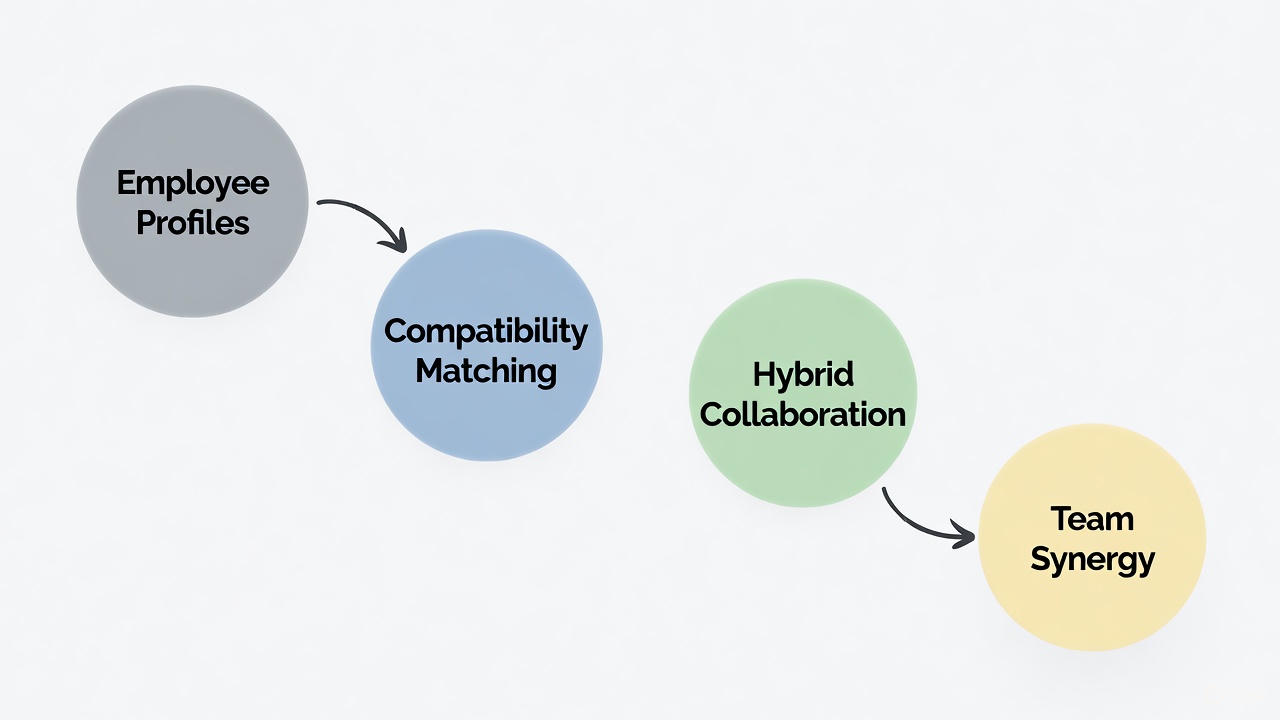
By forming pairs or groups with intentional balance, Easy Pairing minimizes friction and amplifies trust; the two cornerstones of successful hybrid collaboration.
Tangible Benefits for Teams and Leaders
When hybrid teams are matched intentionally rather than randomly, organizations see measurable improvements:
- Increased engagement: Employees feel seen and valued for their unique strengths.
- Higher retention: A sense of belonging reduces turnover risk.
- Enhanced collaboration: Complementary skill sets lead to smoother teamwork.
- Inclusive culture: Remote and onsite staff share equal access to meaningful relationships.
- Performance boost: Teams built on compatibility deliver faster, higher-quality outcomes.
Hybrid connection isn’t about scheduling more meetings; it’s about creating authentic matches that sustain collaboration naturally.
Scaling Connection Across the Organization
The real advantage of AI pairing is scalability. Easy Pairing allows HR teams and managers to run compatibility-based scenarios across departments and locations:
- Mentorship matching between remote and onsite employees
- Cross-functional project teams balanced by communication style and expertise
- New-hire onboarding that instantly integrates distributed workers
- Peer learning circles connecting employees by growth goals
This level of precision ensures that hybrid organizations don’t just operate; they thrive.
The Future of Hybrid Work Is Human-Centric
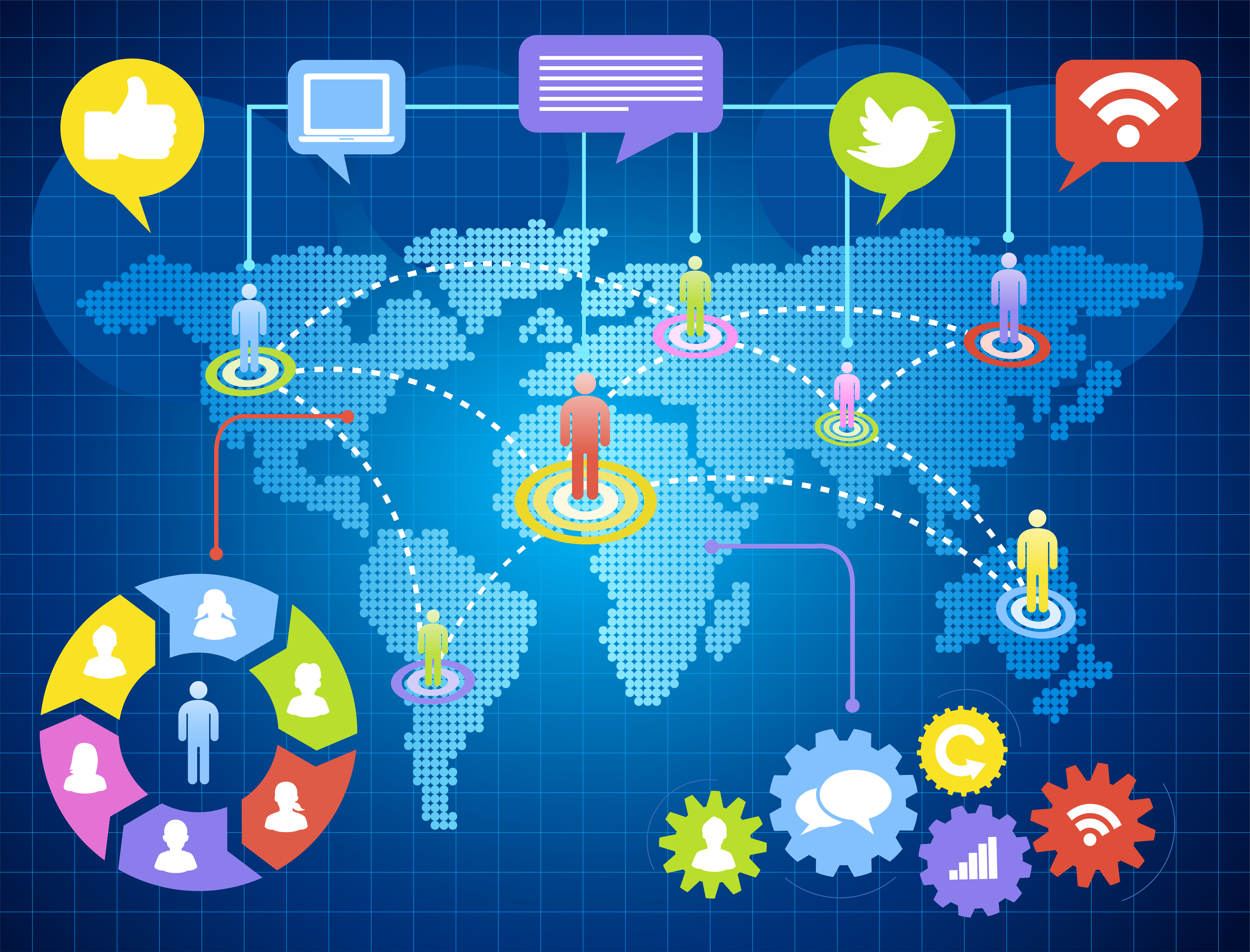
Hybrid work isn’t about balancing time in office and time online; it’s about designing systems where every worker feels equally connected.
By leveraging AI-driven compatibility insights, Easy Pairing helps leaders intentionally build relationships that foster engagement, productivity, and belonging.
Conclusion
Easy Pairing transforms hybrid work from logistical coordination to human connection. By pairing employees based on compatibility, communication style, and shared goals, it unites distributed teams into cohesive, high-performing communities. The future of hybrid work isn’t just about flexibility; it’s about connection that lasts.
Ready to transform your group matching?
Join thousands of organizations using Easy Pairing to create better teams and connections.
Get Started Free